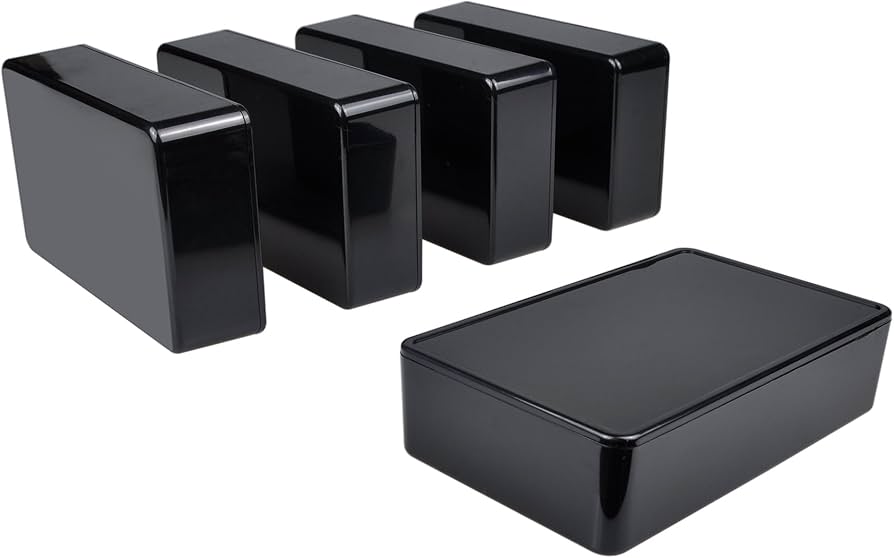
Proper installation of ABS plastic enclosures is essential for ensuring long-term performance, safety, and reliability of electrical and electronic systems. Even a high-quality enclosure can fail to provide adequate protection if it is installed incorrectly. Following best practices helps prevent damage to internal components and improves overall system efficiency.
An abs plastic enclosure is commonly used in industrial, commercial, and consumer applications due to its durability and ease of handling. However, correct installation techniques are necessary to fully benefit from its protective properties and structural advantages.
Prepare the Installation Environment
Before installing an enclosure, it is important to evaluate the environment where it will be used. This helps ensure that the enclosure is suitable for the conditions it will face.
Key environmental factors to consider include:
- Temperature and humidity levels
- Exposure to dust or moisture
- Presence of vibration or mechanical stress
- Accessibility for maintenance and inspection
A clean and stable installation area reduces the risk of contamination and damage during setup.
Select the Correct Mounting Location
Choosing the right mounting position is critical for both performance and safety. The enclosure should be installed in a location that allows easy access while protecting it from direct hazards.
Best practices include:
- Avoiding areas with direct water exposure unless rated for it
- Keeping away from high-heat sources
- Ensuring stable and vibration-free surfaces
- Allowing sufficient space for cable routing and maintenance
Proper placement helps extend the lifespan of both the enclosure and internal components.
Use Proper Mounting Hardware
ABS plastic enclosures are designed to be lightweight, but they still require secure mounting to ensure stability. Using the correct hardware prevents movement and reduces stress on the enclosure body.
Recommended practices:
- Use screws and brackets specified by the manufacturer
- Avoid over-tightening, which may crack the plastic
- Ensure even pressure distribution during installation
- Use wall anchors when mounting on uneven surfaces
Proper fastening ensures long-term structural integrity.
Ensure Correct Cable Management
Cable entry points are one of the most important areas in enclosure installation. Poor cable management can lead to dust ingress, moisture entry, or mechanical strain on internal connections.
Good practices include:
- Using cable glands or grommets for sealed entry points
- Avoiding sharp bends in wiring
- Keeping cables organized to prevent internal clutter
- Sealing unused openings to maintain protection levels
Effective cable management improves both safety and system reliability.
Maintain Proper Ventilation and Heat Control
Electronic components generate heat during operation, and improper heat management can lead to performance issues or system failure. ABS enclosures should be installed with adequate ventilation if required by the application.
Consider the following:
- Include ventilation slots if the design allows airflow
- Avoid blocking air circulation paths
- Use heat-resistant internal layouts for high-power devices
- Ensure enough space around the enclosure for heat dissipation
Proper thermal management helps maintain stable operation.
Avoid Overloading the Enclosure
Each enclosure has a specific load capacity and internal space limitation. Overloading can lead to structural stress or component damage.
To avoid issues:
- Do not exceed recommended internal weight limits
- Ensure components are evenly distributed
- Leave space for airflow and future maintenance
- Avoid forcing oversized components inside the enclosure
Respecting design limits ensures long-term durability.
Perform Final Inspection Before Operation
After installation, a final inspection should be carried out to ensure everything is properly secured and functioning as intended.
Checklist items include:
- Tightness of all mounting screws
- Proper sealing of joints and covers
- Correct placement of internal components
- Secure cable connections and entry points
This final step helps identify and fix potential issues before the system is powered on.
Conclusion
Safe installation of ABS plastic enclosures is essential for ensuring reliable protection of electronic and electrical systems. By following proper mounting techniques, managing cables effectively, and considering environmental conditions, users can maximize the performance and lifespan of their equipment. Careful installation not only enhances safety but also ensures that the enclosure delivers its full protective capability in real-world applications.