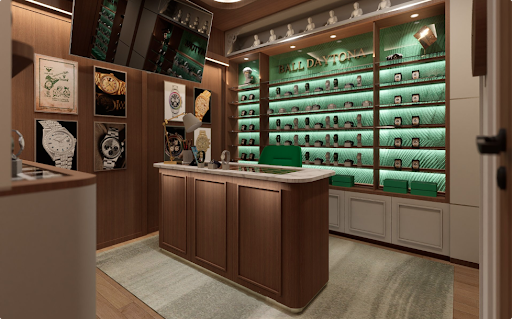
In modern retail environments, presentation plays a crucial role in shaping how customers perceive and interact with products. Watches, in particular, are high-value items where aesthetics, branding, and first impressions significantly influence purchasing behavior. A well-organized display can elevate the perceived value of a product, turning casual browsers into confident buyers. Retailers often invest heavily in visual merchandising because it directly impacts engagement levels, dwell time, and ultimately, sales performance. The way watches are showcased can communicate luxury, precision, and trustworthiness without a single word being spoken.
In competitive retail environments, visual merchandising can determine whether a customer engages with a product or walks past it. In the watch industry, presentation is especially important because customers often rely on visual appeal and perceived value before making a purchase decision. A well-structured Retail Watch Display not only organizes products effectively but also enhances brand storytelling, guiding customers toward higher engagement and purchase intent.
The Psychology Behind Watch Presentation
Customer buying decisions are often influenced by subconscious psychological triggers. When watches are displayed in a clean, structured, and visually appealing way, customers tend to associate them with higher quality and reliability. This perception is rooted in cognitive bias, where presentation affects perceived value.
Lighting, spacing, and arrangement all contribute to emotional responses. For example, well-lit displays highlight craftsmanship details, while organized layouts reduce decision fatigue. When customers feel comfortable and not overwhelmed, they are more likely to spend time exploring different options, increasing the chance of purchase.
Key Elements of Effective Watch Displays
A successful retail watch display is not just about aesthetics; it is a combination of strategic design and customer behavior insights. Several essential elements contribute to its effectiveness:
- Lighting design: Proper lighting enhances the shine and details of watch faces, making them more attractive.
- Product spacing: Adequate spacing prevents clutter and allows each watch to stand out individually.
- Height variation: Displaying watches at different eye levels improves visibility and engagement.
- Material choice: High-quality materials such as glass, wood, or metal create a premium feel.
- Brand consistency: The display should align with the brand’s identity and target audience expectations.
These elements work together to create an environment that subtly encourages customers to explore and interact with the products.
How Displays Influence Buying Decisions
Retail displays directly affect how customers evaluate and compare products. A well-designed setup can highlight best-selling or premium watches, guiding attention toward specific items. This form of visual hierarchy helps retailers influence decision-making without verbal communication.
Additionally, organized displays reduce cognitive overload. When customers are presented with too many unstructured options, they may feel overwhelmed and postpone purchasing decisions. In contrast, a structured layout simplifies comparison and improves confidence in selection.
Another important factor is emotional engagement. Luxury watches are often purchased based on aspiration rather than necessity. An elegant display can evoke feelings of status, achievement, and personal style, all of which contribute to stronger buying intent.
Best Practices for Retailers
To maximize the effectiveness of watch displays, retailers should follow several proven strategies:
- Rotate featured products regularly to maintain visual freshness.
- Use focal points to highlight new arrivals or premium collections.
- Maintain cleanliness and organization at all times.
- Incorporate storytelling elements such as brand history or craftsmanship details.
- Adjust displays seasonally to align with customer trends and preferences.
By consistently refining their presentation approach, retailers can keep customer interest high and encourage repeat visits.
Conclusion
Retail watch displays play a far more significant role in sales performance than many businesses realize. They influence perception, guide customer behavior, and create emotional connections that drive purchasing decisions. From lighting and layout to storytelling and brand alignment, every detail contributes to how customers experience the product. In a highly competitive retail market, investing in effective visual presentation is not just an aesthetic choice—it is a strategic business decision that directly impacts revenue and brand perception.