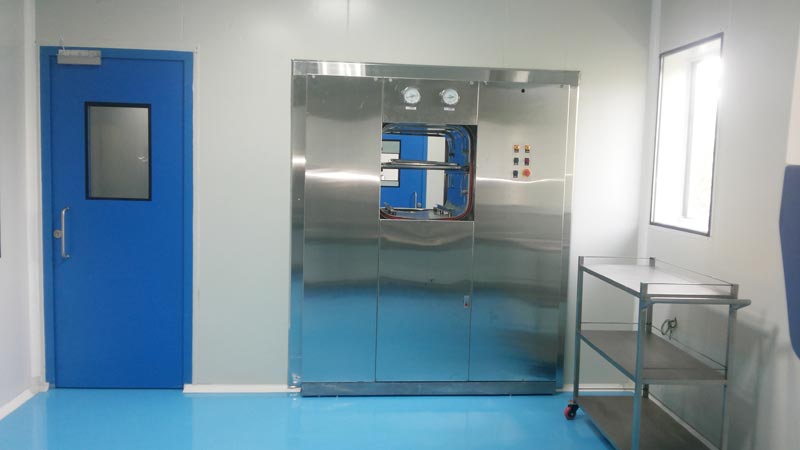
Cleanroom facilities are highly specialized environments used in industries where contamination control is critical. From pharmaceuticals and biotechnology to semiconductors and medical devices, these controlled spaces must meet strict regulatory and operational requirements. Because of this complexity, cleanroom design is not just about layout—it involves integrated engineering, compliance planning, and precise environmental control.
A well-structured approach such as a Turnkey Cleanroom solution ensures that design, construction, and validation are handled as a unified process. This integration helps deliver a fully functional facility that meets performance expectations from the start.
Comprehensive Requirement Analysis at the Start
Turnkey cleanroom design begins with a detailed understanding of the client’s operational needs. This stage defines the foundation of the entire project and ensures that all technical and regulatory requirements are clearly identified.
Key aspects analyzed during this phase include:
- Industry-specific compliance standards (ISO, GMP, etc.)
- Type of manufacturing or research activities
- Required cleanliness classification levels
- Workflow and personnel movement patterns
- Equipment layout and utility requirements
This early planning helps avoid costly design changes later in the project.
Integrated Engineering Design Approach
Unlike traditional methods where design and construction are separated, turnkey cleanroom design uses an integrated engineering approach. Mechanical, electrical, and structural systems are designed together to ensure full compatibility.
This coordination helps eliminate conflicts between systems and improves overall efficiency.
HVAC and Airflow Design
HVAC systems are central to cleanroom performance. Proper airflow design ensures contamination control and maintains required pressure differentials between zones.
Electrical and Utility Planning
Electrical systems are designed to support critical equipment, lighting, and monitoring systems without interruption. Redundancy is often included for reliability.
Structural Layout
Walls, ceilings, and flooring materials are selected to minimize particle generation and support long-term durability.
Focus on Contamination Control and Zoning
Cleanroom design must carefully control how air and materials move through the facility. Zoning is used to separate areas based on cleanliness levels, reducing the risk of cross-contamination.
Typical zoning includes:
- Clean zones for critical processes
- Buffer zones for transition areas
- Support zones for storage and preparation
Proper zoning ensures smooth workflow while maintaining strict environmental control.
Modular Design and Construction Flexibility
Modern turnkey cleanroom projects often use modular construction techniques. This allows components to be prefabricated off-site and assembled on location, improving both speed and quality control.
Benefits of modular design include:
- Faster installation timelines
- Higher precision in manufacturing components
- Reduced on-site construction disruptions
- Easier future expansion or modification
This approach also ensures better consistency across cleanroom sections.
Compliance Built Into the Design Process
Regulatory compliance is not treated as a final step in turnkey cleanroom design. Instead, it is integrated into every stage of planning and engineering.
This includes adherence to standards such as:
- ISO cleanroom classifications
- Good Manufacturing Practice (GMP) guidelines
- Industry-specific safety and hygiene requirements
By embedding compliance into the design phase, the risk of post-construction modifications is significantly reduced.
Validation and Performance Testing Expectations
Before a cleanroom becomes operational, it must undergo rigorous validation testing. In turnkey projects, validation planning begins early to ensure that systems meet performance requirements efficiently.
Common validation tests include:
- Airflow visualization and pressure testing
- Particle count measurements
- Temperature and humidity stability checks
- HEPA/ULPA filter efficiency verification
This structured approach ensures the facility is fully compliant before handover.
Energy Efficiency and Operational Optimization
Modern cleanroom design also focuses on long-term operational efficiency. HVAC systems, lighting, and equipment layouts are optimized to reduce energy consumption while maintaining performance standards.
Energy-efficient design considerations include:
- Smart airflow management systems
- Efficient filtration technologies
- Optimized space utilization
- Reduced pressure loss in duct systems
These improvements help lower operational costs over the facility’s lifetime.
Conclusion
Turnkey cleanroom design is a structured and integrated approach that simplifies the development of highly controlled environments. From initial planning and engineering to validation and final delivery, every stage is coordinated to ensure precision and compliance.
By adopting a Turnkey Cleanroom model, organizations can expect improved efficiency, reduced project risks, and fully compliant facilities that are ready for immediate operation.