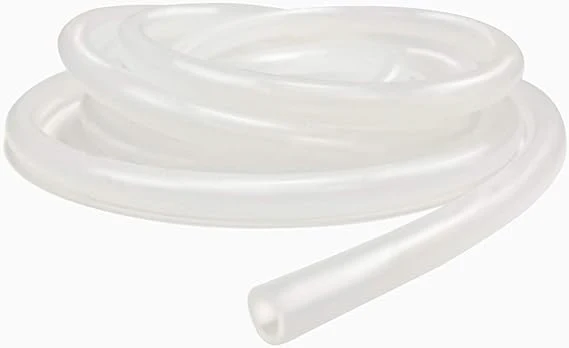
Silicone tubing has become an essential material across numerous modern industries due to its flexibility, durability, temperature resistance, and biocompatibility. Products developed by silicone tube manufacturers are engineered to perform in demanding environments where reliability and safety are critical. From medical devices to industrial systems, silicone tubing supports a wide range of applications that require precision and long-term performance.
The versatility of silicone tubing is one of its most valuable characteristics. It can be customized for different sizes, hardness levels, and chemical resistances depending on the intended use. Many industries rely on a trusted Silicone Tube Manufacturer to provide specialized solutions that meet strict technical and regulatory requirements. Understanding the key applications of these products helps highlight why silicone tubing is so widely used across global markets.
Medical and Healthcare Applications
One of the most important uses of silicone tubing is in the medical and healthcare industry. Silicone tubing is commonly found in devices such as catheters, feeding tubes, respiratory equipment, and peristaltic pumps.
Medical-grade silicone is preferred because it is biocompatible, non-toxic, and resistant to sterilization processes such as autoclaving and gamma radiation. These properties make it safe for direct or indirect contact with the human body. Silicone tubing also maintains flexibility and stability under varying temperatures, which is essential in critical healthcare environments.
Hospitals and medical device manufacturers rely heavily on silicone tubing for safe and reliable patient care systems.
Pharmaceutical and Laboratory Use
In pharmaceutical production and laboratory environments, silicone tubing is used for fluid transfer, chemical handling, and sample processing. Its resistance to a wide range of chemicals makes it ideal for transporting sensitive or reactive substances.
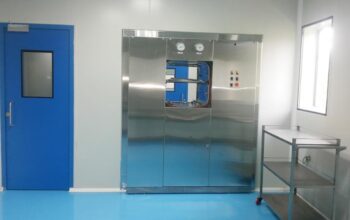
Pharmaceutical-grade silicone tubing ensures that there is no contamination during drug manufacturing or laboratory testing. It also supports cleanroom environments where sterility and precision are essential. Because of its stability, silicone tubing is widely used in automated laboratory systems and bioprocessing equipment.
Food and Beverage Industry Applications
Silicone tubing plays a significant role in the food and beverage industry, where hygiene and safety are top priorities. It is commonly used for transferring liquids such as milk, juice, beer, and syrups during production and packaging processes.
Food-grade silicone tubing is designed to resist bacterial growth, odor absorption, and taste contamination. It can also withstand high-temperature cleaning processes, making it suitable for repeated use in sanitary environments. Its transparency allows operators to visually monitor fluid flow, ensuring better quality control in production lines.
Industrial Manufacturing Applications
In industrial settings, silicone tubing is used for fluid transfer, air handling, and protective insulation. Its ability to withstand extreme temperatures and harsh chemicals makes it suitable for demanding manufacturing environments.
Silicone tubing is often found in machinery cooling systems, chemical processing plants, and automation equipment. Reinforced silicone tubing is also used in high-pressure applications where additional strength and durability are required. Its long service life and resistance to wear make it a cost-effective solution for industrial operations.
Automotive and Transportation Systems
The automotive industry relies on silicone tubing for various applications, including engine systems, coolant transfer, and air intake systems. Silicone’s ability to withstand high temperatures and pressure variations makes it ideal for under-the-hood environments.
In addition to traditional vehicles, silicone tubing is also used in aerospace and marine applications where reliability under extreme conditions is essential. Its resistance to vibration, heat, and environmental stress ensures consistent performance in transportation systems.
Electronics and Electrical Applications
Silicone tubing is also widely used in the electronics industry for insulation and protection purposes. It provides excellent resistance to heat and electrical conductivity, making it suitable for protecting wires, cables, and sensitive components.
In high-performance electronic systems, silicone tubing helps prevent overheating and ensures safe operation. It is often used in LED lighting systems, electrical enclosures, and thermal management applications.
Biotechnology and Research Applications
In biotechnology and research fields, silicone tubing is essential for handling biological materials, cell cultures, and laboratory fluids. Its flexibility and biocompatibility make it ideal for delicate experimental processes.
Researchers rely on silicone tubing for precision fluid control in experiments and automated systems. Its ability to maintain purity and prevent contamination is critical in scientific research and development environments.
Environmental and Water Treatment Applications
Silicone tubing is also used in environmental systems such as water treatment plants and filtration systems. Its resistance to chemicals and microbial growth makes it suitable for handling treated and untreated water.
In these applications, silicone tubing ensures safe and efficient fluid transfer while maintaining system integrity. It is also used in dosing systems and monitoring equipment within environmental management systems.
Conclusion
Products from a silicone tube manufacturer are used across a wide range of industries due to their adaptability, durability, and safety. From healthcare and pharmaceuticals to industrial manufacturing and environmental systems, silicone tubing plays a vital role in ensuring efficient and reliable operations.
Its unique combination of physical and chemical properties allows it to meet the demands of highly specialized applications. As industries continue to evolve, silicone tubing will remain an essential material supporting innovation, safety, and performance across global markets.