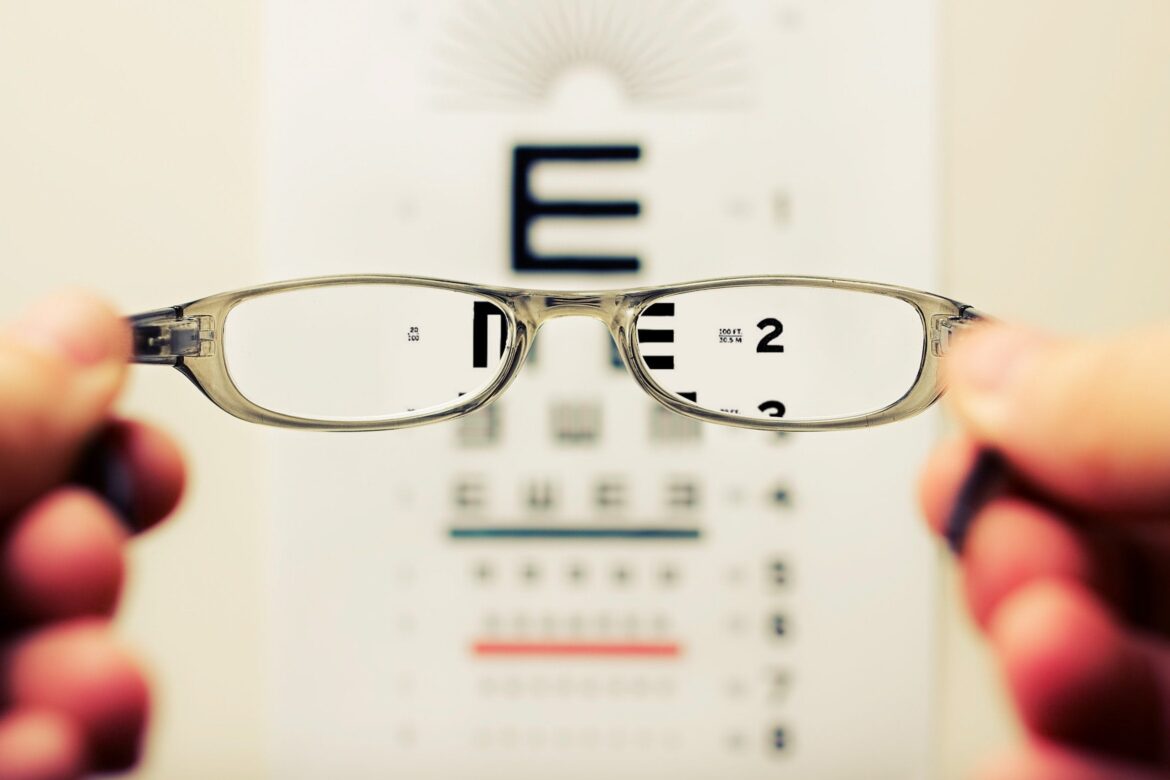
Converting your eye prescription to the 20/20 scale is an important step in understanding the clarity of your vision. Many people receive prescriptions with numbers and abbreviations that can feel confusing, but translating them to the 20/20 scale helps you visualize how sharp or blurred your vision actually is. This guide explains the process in detail, helping you make informed decisions about your lenses and eye care.
Understanding how your eye prescription relates to the 20/20 scale provides clarity on your visual acuity. By converting these measurements, you can see whether your vision is normal, nearsighted, farsighted, or requires correction for specific distances. This knowledge ensures that your lenses or corrective options are precisely suited to your needs.
What Is the 20/20 Vision Scale?
The 20/20 vision scale is a standard measurement of visual acuity, representing sharpness of vision at a distance of 20 feet.
- 20/20 vision: You can see clearly at 20 feet what a person with normal vision can see at the same distance.
- 20/40 vision: You must be 20 feet away to see what a person with normal vision can see at 40 feet.
- 20/10 vision: You can see at 20 feet what a person with normal vision sees at 10 feet, indicating sharper-than-average vision.
This scale provides an easy-to-understand framework to assess the quality of your eyesight compared to a standard baseline.
Understanding an Eye Prescription
An eye prescription consists of numbers and abbreviations representing different aspects of your vision. The main components include:
- Sphere (SPH): Indicates the degree of nearsightedness or farsightedness.
- Cylinder (CYL): Represents the amount of astigmatism in the eye.
- Axis: Measures the orientation of astigmatism in degrees.
- Add: Found in prescriptions for multifocal lenses, showing the additional magnification needed for near vision.
Each component provides crucial information for correcting your vision, and converting these numbers to the 20/20 scale helps you understand their impact on your daily eyesight.
How to Convert Eye Prescription to 20/20 Scale
Converting an eye prescription to the 20/20 scale involves understanding how the numbers correspond to visual acuity.
- Identify the Sphere (SPH) Value:
- A positive SPH indicates farsightedness, while a negative SPH indicates nearsightedness.
- Use a Conversion Chart or Formula:
- Many online charts and tools can translate SPH values to the 20/20 scale. These resources convert your diopters into visual acuity estimates.
- Consider Astigmatism:
- Cylinder (CYL) and Axis influence vision sharpness and may slightly alter your converted 20/20 value.
- Account for Additions in Multifocal Prescriptions:
- For those using bifocal or progressive lenses, the “Add” value helps determine near vision performance on the 20/20 scale.
By following these steps, you can understand whether your vision is normal, requires minor correction, or is significantly impaired.
Interpreting the Results
Once converted, the 20/20 scale provides a clear picture of your visual acuity:
- 20/20: Normal vision, no correction needed.
- 20/30 to 20/40: Mild visual impairment; glasses may be optional depending on lifestyle.
- 20/50 to 20/70: Moderate vision impairment; corrective lenses are recommended.
- 20/80 and below: Significant vision loss; lenses or other corrective measures are essential.
Understanding your visual acuity helps in deciding whether you need prescription glasses, contact lenses, or potential medical interventions for eye health.
Why Knowing Your 20/20 Equivalent Matters
- Informed Lens Selection:
- Knowing your 20/20 equivalent ensures your glasses or contact lenses are optimized for your specific vision needs.
- Better Communication with Eye Care Professionals:
- Converting your prescription allows you to discuss your visual acuity clearly with optometrists or ophthalmologists.
- Monitoring Vision Changes:
- Tracking 20/20 equivalent values over time helps detect early signs of vision deterioration or eye conditions.
- Lifestyle Adjustments:
- Understanding your vision helps you make adjustments in driving, reading, or computer work, ensuring safety and comfort.
Common Misconceptions
- All prescriptions of the same SPH give identical vision: Not true; astigmatism and other factors can affect clarity.
- 20/20 means perfect vision: It represents standard visual acuity; some people naturally see sharper than 20/20.
- Conversion guarantees exact accuracy: 20/20 equivalents are estimates, not absolute measurements.
Knowing these nuances helps set realistic expectations and ensures you use your prescription effectively.
Tips for Maintaining Good Vision
- Schedule regular eye exams every 1–2 years.
- Wear corrective lenses as prescribed.
- Protect your eyes from UV light with sunglasses.
- Reduce screen strain by taking regular breaks.
- Maintain a healthy diet rich in vitamins A, C, and E.
Good habits combined with an understanding of your eye prescription and 20/20 equivalent ensure long-term eye health and optimal vision clarity.
When to Consult an Eye Care Professional
You should consult an optometrist or ophthalmologist if you notice:
- Blurred or double vision
- Frequent headaches due to eye strain
- Difficulty focusing at different distances
- Rapid changes in vision
Eye care professionals can interpret your eye prescription, convert it to the 20/20 scale accurately, and recommend the best corrective measures.
Final Thoughts
Converting your eye prescription to the 20/20 scale simplifies understanding your visual acuity, helping you make informed decisions about glasses, contacts, and eye care routines. While your prescription provides technical details, the 20/20 scale translates it into a clear representation of your eyesight.
Knowing your 20/20 equivalent ensures you get the right lenses, communicate effectively with eye care professionals, and maintain good vision health. By understanding these measurements, you can confidently manage your vision and choose eyewear that keeps your eyes sharp, comfortable, and healthy every day.