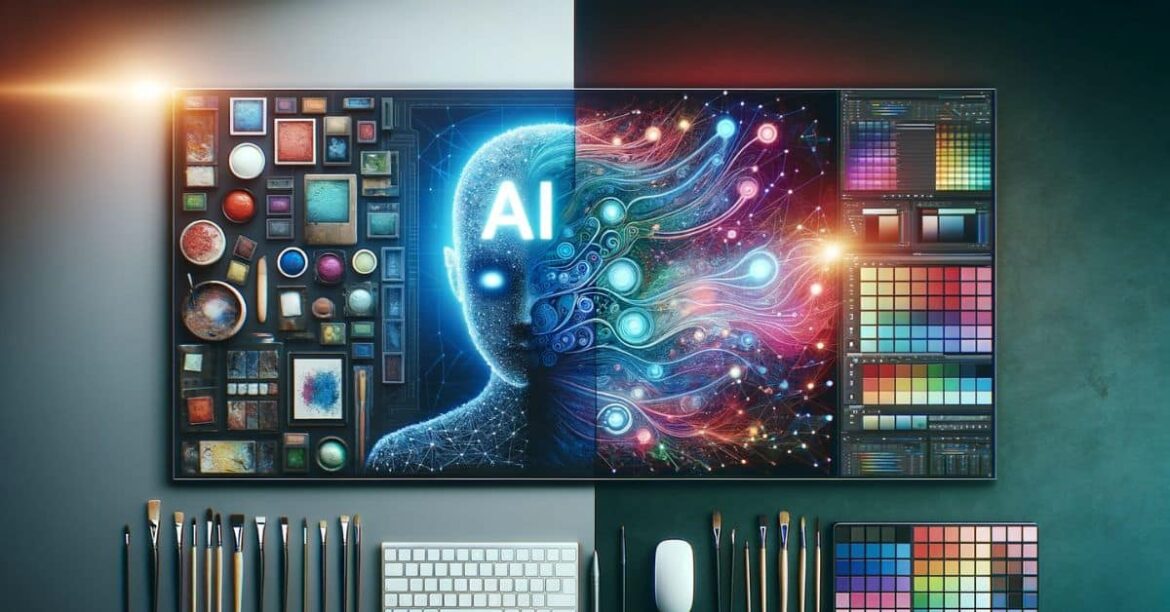
In the fast-paced world of digital design, professionals and hobbyists alike face the constant challenge of producing high-quality visuals efficiently. Traditional design tools often require extensive technical knowledge, precise manual adjustments, and significant time investment. As projects grow in complexity, designers need solutions that can simplify repetitive tasks while preserving creative flexibility. Nana Banana has emerged as a powerful platform that addresses these needs, making digital design more accessible, efficient, and enjoyable for users of all skill levels.
Nana Banana leverages artificial intelligence to streamline a variety of digital design tasks. By using Nana Banana, users can automate routine edits, enhance image quality, and explore creative variations without extensive manual work. This combination of AI-driven automation and user control allows designers to focus on creativity and strategic decision-making instead of being bogged down by technical processes. From beginners to professionals, the platform offers tools that adapt to different levels of expertise while improving workflow efficiency.
Streamlining Image Editing
One of the primary ways Nana Banana simplifies digital design is through automated image editing features. The platform can automatically adjust exposure, color balance, sharpness, and lighting, ensuring that images are optimized with minimal effort. Designers no longer need to make multiple manual adjustments to achieve professional results. This automation not only saves time but also reduces the likelihood of errors that can occur during manual editing.
For designers working with multiple images, batch processing is a significant advantage. Nana Banana allows users to apply the same enhancements and edits across a series of images, maintaining consistency and saving hours of repetitive work. Whether preparing social media assets, marketing visuals, or project portfolios, this feature improves productivity while ensuring uniformity across all designs.
Object Removal and Background Editing
Complex digital design often involves removing unwanted elements or modifying backgrounds, which can be time-consuming using traditional tools. Nana Banana simplifies this process with intelligent object removal and background editing features. The AI can detect edges, textures, and subjects, allowing for seamless removal or replacement of elements without leaving noticeable artifacts.
This capability is particularly valuable for product photography, promotional visuals, and digital art projects. Designers can quickly refine images, replace backgrounds, or create composites without needing advanced technical skills. By simplifying these tasks, Nana Banana enables designers to produce polished visuals more efficiently.
Creative Experimentation Made Easy
Creativity is a critical component of digital design, and Nana Banana encourages experimentation by providing a range of style options, filters, and artistic effects. Users can explore different aesthetics and visual themes without starting from scratch, making it easier to identify the most compelling approach for a project. The AI offers suggestions while still allowing manual refinement, providing a balance between automation and creative control.
For designers working on branding or marketing campaigns, this creative flexibility allows for rapid iteration. Multiple variations of a single design can be generated and compared to determine which version best aligns with project goals and audience preferences. This experimentation helps designers maintain a fresh, engaging visual identity while saving time and effort.
Simplifying Workflow Integration
Beyond individual editing features, Nana Banana supports workflow integration to enhance overall productivity. The platform organizes projects efficiently, allowing users to manage files, templates, and edits in one centralized location. Designers can save frequently used settings or presets, enabling quick application across future projects and ensuring consistency in design output.
Collaboration is also simplified through shared workspaces and version tracking. Teams can contribute, review, and refine designs in real time, making it easier to coordinate on large projects or campaigns. This collaborative functionality streamlines communication and ensures that everyone involved in a project is aligned on visual direction and quality standards.
Reducing Learning Barriers
Another key benefit of Nana Banana is its accessibility for beginners. Traditional design software can be intimidating due to its complex tools and steep learning curve. Nana Banana reduces these barriers by providing guided prompts, intuitive interfaces, and automated suggestions that help new users achieve professional results quickly. Beginners can focus on exploring creative ideas while learning design principles through hands-on experience, gradually developing their skills without being overwhelmed.
Enhancing Efficiency and Creativity
Ultimately, Nana Banana enhances both efficiency and creativity in digital design. By automating repetitive tasks, providing intelligent editing suggestions, and supporting creative experimentation, the platform allows designers to spend more time on conceptual development and storytelling. The combination of speed, accuracy, and flexibility ensures that high-quality designs are achievable even under tight deadlines.
Conclusion
Nana Banana is a transformative tool that simplifies digital design tasks by combining AI-powered automation with intuitive, user-friendly controls. From automated image enhancements and batch processing to object removal, background editing, and creative experimentation, the platform addresses the common challenges faced by designers. Its ability to streamline workflows, support collaboration, and reduce learning barriers makes it valuable for both beginners and professionals. By leveraging Nana Banana, designers can produce high-quality visuals efficiently, maintain consistency, and focus on the creative aspects of digital design, ultimately improving productivity and output quality across projects.