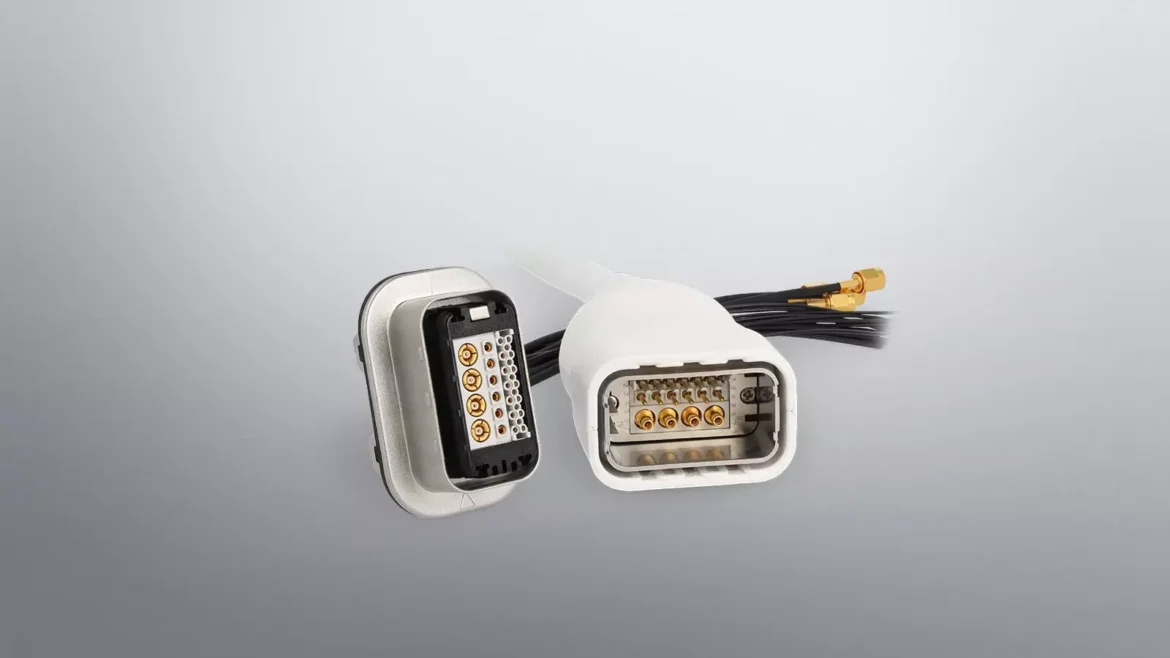
Choosing the right medical electrical connector is a critical step in designing and maintaining reliable medical devices. These connectors are integral components that ensure safe and efficient transmission of power and signals between different parts of a device. With the increasing complexity of medical technology, selecting the most suitable connector can directly impact device performance, patient safety, and regulatory compliance.
When evaluating connectors, it is important to consider the specific requirements of your medical application. High-quality medical electrical connectors are engineered to provide reliable electrical connections, resist environmental stresses, and comply with rigorous medical standards. These connectors are used in a variety of devices, including patient monitoring systems, imaging equipment, infusion pumps, and surgical instruments. Choosing the wrong connector can lead to operational failures, inaccurate data transmission, or even safety hazards in critical medical procedures.
Key Considerations for Selection
1. Application Requirements
The first step in selecting a medical connector is understanding the requirements of your application. Factors such as the type of device, voltage and current ratings, signal types, and environmental conditions play a crucial role. For example, connectors used in imaging equipment may need to handle high-frequency signals with minimal interference, while connectors in surgical devices may prioritize durability and sterilization resistance. Identifying these needs early ensures that the selected connector performs reliably in its intended environment.
2. Electrical Performance
Electrical performance is a primary consideration when choosing a connector. High-quality connectors must provide stable electrical contact with low resistance to avoid signal loss or power interruptions. For devices transmitting sensitive data, shielding and contact design are critical to minimize electromagnetic interference (EMI) and maintain signal integrity. Evaluating contact materials, plating, and connector configuration can help ensure consistent electrical performance in demanding medical applications.
3. Mechanical Durability
Medical connectors often undergo repeated mating and unmating cycles, so mechanical durability is essential. Robust materials, secure locking mechanisms, and reinforced housings enhance the lifespan of the connector and prevent accidental disconnections. Additionally, connectors used in environments with frequent cleaning or exposure to fluids must resist corrosion and chemical degradation. Ensuring mechanical durability helps reduce maintenance costs and minimizes device downtime.
4. Compliance with Regulatory Standards
Medical devices are subject to strict regulatory standards, and connectors must comply with these requirements. Standards such as ISO 13485 for quality management and IEC 60601 for electrical safety ensure that connectors meet specific safety, insulation, and performance criteria. Using connectors that meet these standards provides confidence that your device will function safely and be approved for medical use. Compliance also reduces liability risks and supports device certification processes.
5. Environmental and Sterilization Resistance
Medical connectors are frequently exposed to sterilization processes, cleaning chemicals, moisture, and temperature variations. Choosing connectors with resistance to these environmental factors is essential for long-term performance. High-quality connectors are designed to withstand repeated autoclaving, chemical cleaning, and high humidity without losing electrical or mechanical integrity. This feature is particularly important for surgical instruments, patient-contact devices, and portable diagnostic equipment.
6. Size and Design Considerations
Modern medical devices often require compact, lightweight, and ergonomic connectors. The physical size, shape, and mating mechanism should align with device design constraints while ensuring secure and reliable connections. Many connectors offer features such as keying, color coding, or tactile feedback to prevent misalignment and simplify installation. Selecting connectors that combine high performance with compact design supports the development of portable and wearable medical devices.
Common Types of Medical Connectors
Several types of connectors are widely used in medical applications. Circular connectors offer durability and easy alignment, making them suitable for imaging equipment and monitoring systems. Board-to-board and wire-to-board connectors facilitate internal device connections with high signal integrity. Coaxial connectors are ideal for high-frequency signal transmission, and USB or data connectors support modern digital communication in medical devices. Understanding the types available helps in matching the right connector to your application requirements.
Conclusion
Selecting the right medical electrical connector requires careful consideration of electrical, mechanical, regulatory, and environmental factors. By analyzing the specific needs of your device, understanding connector types, and prioritizing durability, performance, and compliance, you can ensure reliable operation and patient safety. High-quality connectors support the development of innovative medical technology while minimizing maintenance and operational risks. Making informed connector choices is a crucial step toward creating medical devices that deliver consistent, safe, and effective results for healthcare professionals and patients alike.