Water heaters are a common necessity in HDB flats, providing residents with convenient access to hot water for showers, cleaning, and cooking. However, due to the unique layout and safety regulations of HDB units, installing a water heater requires careful planning and adherence to specific guidelines. Proper installation not only ensures reliable performance but also minimizes safety risks.
Understanding HDB Water Heater Installation Guidelines
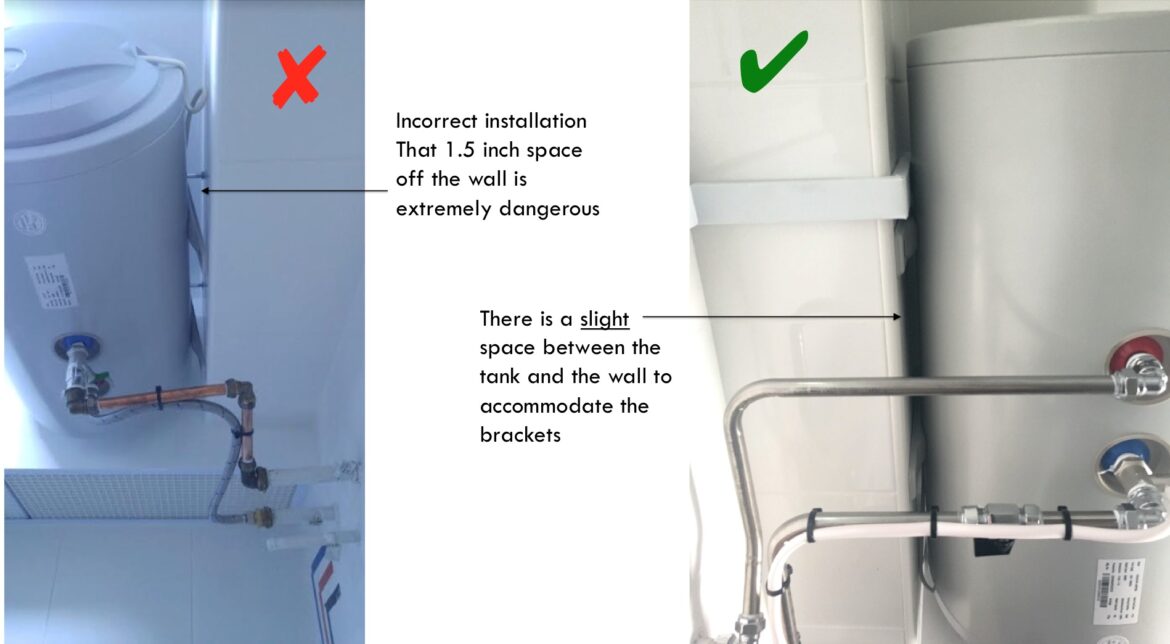
HDB flats have strict regulations regarding electrical and plumbing installations, and water heaters are no exception. Professional HDB Water Heater Installation services ensure that units are installed in compliance with these rules, providing residents with a safe and functional system. These guidelines cover aspects such as the maximum capacity of the heater, placement restrictions, electrical load limits, and the proper routing of water and drainage pipes. Hiring a certified service provider guarantees that the installation meets HDB safety standards and reduces the risk of electrical hazards, leaks, or damage to the building structure.
Key Considerations Before Installation
Before installing a water heater in an HDB flat, it is important to consider several factors:
- Type of Water Heater: Electric instant water heaters are commonly used in HDB flats due to their compact design and on-demand heating capability.
- Location: The heater must be installed in a safe location that minimizes exposure to moisture and is easily accessible for maintenance. Common areas include the bathroom above the shower stall or on an approved wall bracket.
- Electrical Requirements: The heater should be connected to a dedicated circuit with the appropriate voltage and a residual current device (RCD) to prevent electrical shocks.
- Pipe Connections: Proper inlet and outlet connections are essential to prevent leaks and ensure consistent water flow. All piping should adhere to HDB standards and local plumbing codes.
- Capacity Selection: Choose a heater with a capacity suitable for the household’s needs, ensuring sufficient hot water without overloading the electrical system.
Considering these factors before installation helps prevent complications and ensures that the water heater operates efficiently.
Safety Guidelines for HDB Water Heater Use
Safety is paramount when using a water heater in HDB flats. Homeowners should follow these key guidelines:
- Regular Inspections: Periodically check the water heater and associated piping for leaks, corrosion, or unusual noises.
- Temperature Settings: Set the heater to a safe temperature to prevent scalding and reduce energy consumption.
- Switch Off When Not in Use: Turn off the water heater when leaving the home for extended periods to save energy and reduce risks.
- Keep Dry Areas Clear: Ensure that electrical components and wiring are not exposed to water or excessive moisture.
- Professional Maintenance: Schedule regular servicing by certified plumbers to maintain optimal performance and safety.
Adhering to these safety practices reduces the risk of accidents and extends the lifespan of the water heater.
Benefits of Professional HDB Water Heater Installation
Engaging a professional service for water heater installation offers several advantages:
- Compliance with Regulations: Ensures the installation meets HDB and local safety standards.
- Expert Advice: Professionals can recommend the appropriate type, capacity, and placement of the heater for optimal performance.
- Reliable Installation: Certified plumbers have the tools and experience to securely mount the unit, connect pipes, and handle electrical wiring correctly.
- Long-Term Safety: Proper installation minimizes the risk of electrical hazards, leaks, or malfunctions.
- Peace of Mind: Knowing that the installation is performed by professionals ensures a worry-free experience for homeowners.
Tips for Maintaining Your Water Heater
Proper maintenance is essential to keep your water heater functioning efficiently:
- Clean Filters and Pipes: Regularly remove sediment buildup in the inlet and outlet pipes to maintain water flow.
- Inspect Heating Elements: Ensure that heating elements are free of corrosion and functioning properly.
- Check Pressure Relief Valve: This safety feature prevents excessive pressure buildup and should be tested periodically.
- Monitor Energy Usage: Track energy consumption to detect any unusual increases that could indicate a problem with the heater.
- Professional Servicing: Have a licensed plumber conduct a full inspection and servicing at least once a year.
Routine maintenance not only extends the life of the water heater but also ensures safety and efficiency in daily use.
Conclusion
Installing a water heater in an HDB flat requires careful attention to guidelines, safety regulations, and proper installation techniques. By understanding the key considerations, following safety practices, and hiring a professional HDB Water Heater Installation service, homeowners can enjoy reliable hot water while minimizing risks. Regular maintenance, correct placement, and adherence to electrical and plumbing standards are essential for safe and efficient operation. With proper planning and professional support, HDB residents can maximize the benefits of their water heater and ensure peace of mind in their homes.