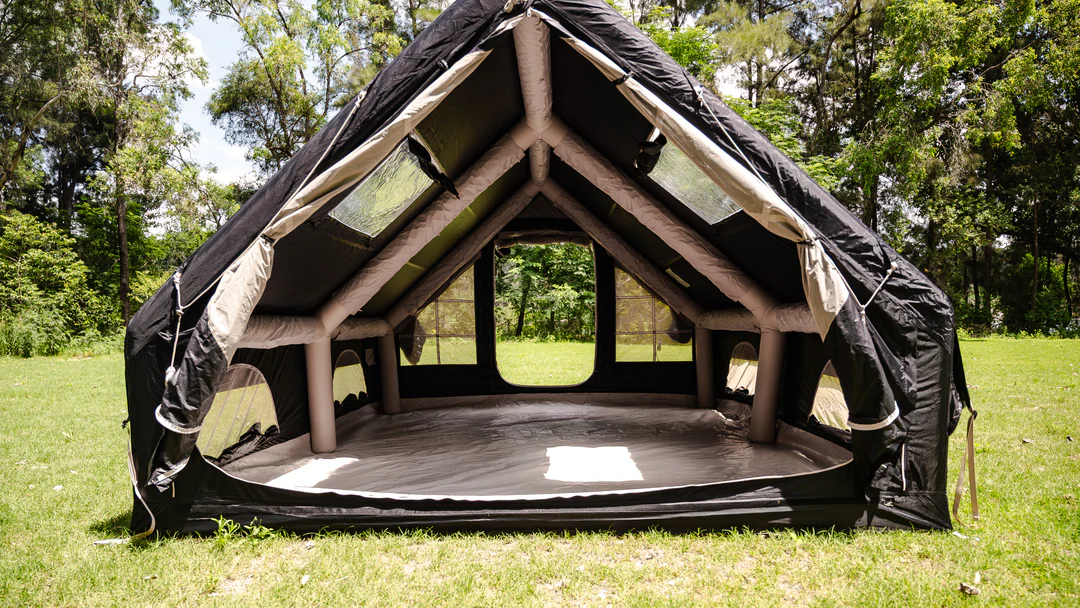
Inflatable military tents are essential for defense operations, emergency response, and field deployments. Their ability to provide temporary shelter for command posts, field hospitals, storage units, and personnel accommodations in challenging environments makes them indispensable. A key factor in their operational effectiveness is their resistance to extreme weather conditions and their overall durability. Ensuring that these tents perform reliably under harsh conditions requires careful material selection, advanced construction techniques, and rigorous testing.
Professional Inflatable Military Tent Manufacturers prioritize weather resistance and durability in their production processes. These factors not only extend the lifespan of the tents but also ensure the safety of personnel and equipment during critical field operations.
High-Performance Weather-Resistant Materials
The foundation of weather-resistant and durable inflatable military tents is the selection of high-quality materials. Fabrics such as PVC-coated polyester, PU-coated Oxford textiles, and laminated airtight materials are commonly used due to their strength, flexibility, and environmental resilience.
PVC-coated polyester is highly resistant to water penetration, UV degradation, and tearing, making it ideal for prolonged outdoor use. PU-coated fabrics are lightweight yet strong, offering flexibility during rapid deployment while maintaining resistance to environmental stressors. Laminated airtight textiles are often used for internal air chambers, ensuring stability and structural integrity even under fluctuating air pressures.
Advanced coatings, such as fire-retardant treatments and chemical-resistant layers, further enhance the protective properties of the materials. These coatings allow the tents to withstand exposure to hazardous substances, high-intensity sunlight, heavy rainfall, and other adverse conditions encountered in the field.
Seam Construction and Structural Durability
Durability and weather resistance are also achieved through precise construction techniques. Seam quality is critical, as poorly constructed seams can compromise air retention, waterproofing, and structural stability. High-frequency welding, heat-sealing, and reinforced stitching are commonly used to ensure airtight and waterproof seams.
Reinforcements are applied to high-stress areas, including corners, anchoring points, and entrances, to prevent tearing and material fatigue. Multi-chamber designs further enhance durability, allowing individual air sections to maintain stability if one chamber is compromised. These construction techniques are essential for ensuring that tents can endure strong winds, snow loads, and other environmental pressures.
Resistance to Wind and Storm Conditions
Wind resistance is a crucial aspect of inflatable military tent design. Tents are often tested in simulated wind conditions to ensure stability. Anchoring systems, tension ropes, and ground stakes are designed to hold the tent securely in place, even during strong gusts. Multi-chamber designs also distribute wind pressure evenly, preventing structural collapse.
Some tents incorporate aerodynamic features such as rounded edges or reinforced tension points to reduce wind resistance. These enhancements improve stability and reduce the risk of damage during sudden storms or harsh weather events, ensuring operational continuity in the field.
Water and Moisture Resistance
Inflatable military tents are designed to remain watertight even under heavy rainfall. High-quality coated fabrics, sealed seams, and reinforced zippers prevent water from entering the interior. Additionally, internal flooring and drainage systems may be integrated into larger tents to protect equipment and personnel from moisture accumulation.
Water resistance not only enhances comfort but also protects the structural components from degradation over time. Prolonged exposure to moisture can weaken seams, compromise air retention, and reduce overall durability, making water-resistant design an essential aspect of tent production.
Temperature and UV Protection
Durable inflatable military tents must also withstand extreme temperatures and prolonged exposure to sunlight. Advanced fabric coatings provide UV protection, preventing material degradation and color fading. Insulated layers and reflective coatings may be used in tents designed for cold or hot climates to maintain interior temperatures and protect personnel.
Temperature-resistant fabrics ensure that the tent retains flexibility in freezing conditions and does not become brittle under high heat, further extending the lifespan of the structure.
Quality Assurance and Testing
To guarantee weather resistance and durability, inflatable military tents undergo extensive testing. These tests include air pressure cycles, wind tunnel simulations, water penetration assessments, UV exposure, and temperature stress tests. Each tent is inspected for seam integrity, material performance, and overall structural stability.
By adhering to strict quality control measures, inflatable military tent manufacturers ensure that every unit meets operational standards and can perform reliably in extreme and unpredictable environments.
Conclusion
The weather resistance and durability of inflatable military tents are critical to their performance and reliability in field operations. Through the use of high-performance materials, reinforced seam construction, multi-chamber designs, and rigorous testing, these tents provide secure shelter even under extreme conditions. Professional inflatable military tent manufacturers combine advanced production techniques with strict quality control to ensure that their tents withstand wind, rain, UV exposure, and temperature extremes while maintaining structural integrity. These design and manufacturing standards make inflatable military tents reliable, long-lasting, and indispensable tools for modern military and emergency operations.