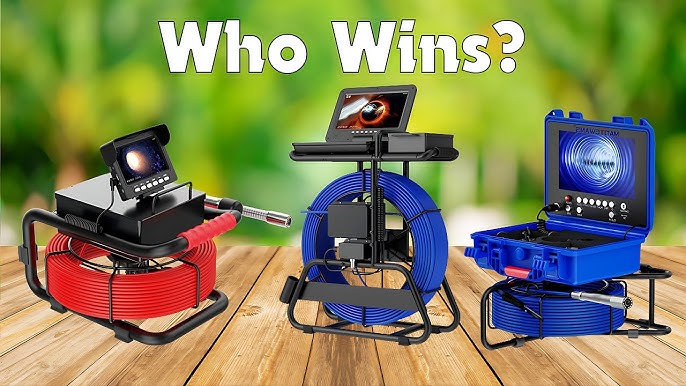
Pipe inspection cameras are indispensable tools for plumbing professionals, facility managers, and municipal maintenance teams. They provide a reliable and non-invasive way to examine pipelines, locate blockages, detect leaks, and evaluate structural integrity. However, to maximize the effectiveness of these tools and ensure operator safety, it is crucial to follow established best practices. Proper use not only extends the life of the equipment but also improves the accuracy of inspections and reduces operational risks.
Preparing the Inspection Site
Before using a Pipe Inspection Camera, it is essential to prepare the site thoroughly. Assess the pipeline layout, note potential hazards, and clear any obstructions near access points. Familiarize yourself with the pipe materials, size, and overall system configuration. Reviewing previous inspection reports or maintenance records can help identify recurring problem areas and streamline the inspection process. A well-prepared site ensures smooth camera deployment and reduces the risk of damage or misinterpretation.
Checking Equipment Functionality
Thorough pre-inspection checks are critical for safe and effective camera operation. Inspect the camera head, push rod, cables, connectors, and lighting system to ensure they are in proper working order. Verify that monitors or recording devices are functioning correctly and that any battery-powered units are fully charged. Ensuring the camera is in optimal condition prevents interruptions during inspections and minimizes the risk of equipment failure.
Proper Handling and Insertion
Handling a pipe inspection camera with care is essential to avoid damaging the equipment or the pipeline. Avoid forcing the camera into tight spaces or bending the cable excessively. Use gloves to maintain grip and protect hands from contaminants. For cameras equipped with pan-and-tilt or articulated heads, operate controls gently to prevent sudden movements that could harm the camera or pipe interior. Smooth and controlled insertion ensures stable footage and prolongs equipment lifespan.
Navigating Pipes Efficiently
Efficient navigation is key to obtaining comprehensive inspection results. Advance the camera slowly through straight sections, bends, and junctions to avoid snagging or misalignment. Utilize the real-time video feed to adjust the camera angle and focus on areas of interest. For longer pipelines, consider sectional inspections to maintain full control and avoid overextending the push rod. Careful navigation reduces the likelihood of damage and ensures high-quality visual data.
Maintaining Hygiene and Safety
Pipe inspections often involve contact with wastewater, debris, or chemical residues. Operators should always use personal protective equipment such as gloves, masks, and eye protection. After each use, clean and disinfect the camera and cables to prevent cross-contamination and maintain hygiene. Following strict safety and sanitation protocols protects both personnel and equipment, particularly in residential, commercial, or industrial settings.
Recording and Documenting Findings
Capturing and documenting inspection data is essential for accurate maintenance planning. Most modern pipe inspection cameras allow video recording and image capture. Annotate footage with details of defects, blockages, or pipe conditions to create a clear record. Proper documentation supports preventive maintenance, informs repair decisions, and ensures accountability in regulatory compliance or client reporting.
Following Manufacturer Guidelines
Adhering to the manufacturer’s instructions is crucial for safe and effective use of a pipe inspection camera. These guidelines provide information on operational limits, cleaning procedures, cable handling, and maintenance routines. Following the recommended procedures not only ensures reliable performance but also reduces the risk of voiding warranties or causing equipment damage.
Preparing for Troubleshooting
Operators should be equipped to handle potential technical issues, such as video signal loss, camera obstruction, or malfunction. Having spare parts, backup cables, and access to technical support minimizes downtime. Quick troubleshooting ensures that inspections continue smoothly and prevents further complications during pipeline evaluation.
Training and Skill Development
Proper training enhances the effectiveness of pipe inspection cameras. Technicians should be familiar with handling techniques, navigation strategies, and the interpretation of visual data. Regular practice and knowledge updates ensure inspections are conducted safely and efficiently, reducing errors and improving maintenance outcomes.
Conclusion: Ensuring Safe and Effective Pipe Inspections
Following best practices when using a pipe inspection camera ensures both safety and inspection accuracy. Preparing the site, checking equipment, handling the camera carefully, navigating pipelines effectively, and maintaining proper documentation are all critical steps. By adhering to hygiene protocols, manufacturer guidelines, and ongoing training, operators can maximize the value of the camera technology, reduce operational risks, and ensure that plumbing and pipeline systems remain reliable and well-maintained.