Monitoring water quality is essential for protecting ecosystems, ensuring public health, and maintaining sustainable industrial practices. Among the many parameters measured, pH is one of the most critical indicators of water quality. It provides insights into the acidity or alkalinity of a water source, which can significantly impact aquatic life, soil health, and chemical processes. Accurate measurement of pH is therefore fundamental to environmental testing and assessment.
Understanding the Role of pH in Environmental Monitoring
The pH scale ranges from 0 to 14, with 7 considered neutral. Values below 7 indicate acidic conditions, while those above 7 are alkaline. In natural water bodies, small fluctuations in pH can have pronounced effects on organisms and the surrounding environment. Acidic waters, for instance, can harm fish, disrupt nutrient balance, and accelerate metal corrosion. Conversely, highly alkaline waters may promote algal blooms and disturb aquatic ecosystems.
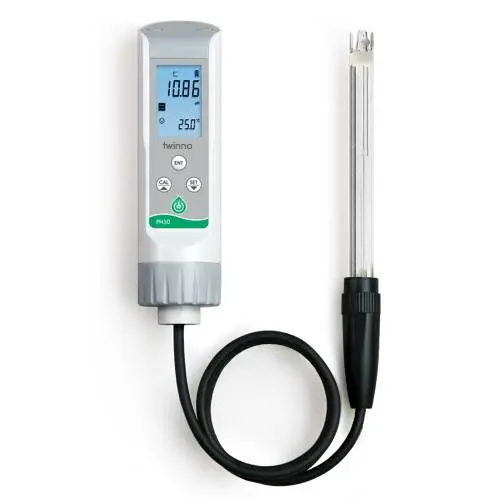
To measure these variations accurately, environmental agencies and researchers rely on advanced tools like the water ph sensor. These sensors convert chemical activity in water into measurable electrical signals, providing precise, real-time data critical for effective environmental management.
Key Components of a Water pH Sensor
A water pH sensor typically consists of a sensing electrode and a reference electrode. The sensing electrode interacts with hydrogen ions in the water, producing a voltage proportional to the concentration of these ions. The reference electrode maintains a stable potential, allowing the sensor to measure the difference accurately. Advanced sensors often include temperature compensation features, ensuring that readings remain reliable across varying environmental conditions.
Additionally, protective membranes and robust housings enhance durability and reduce maintenance requirements. This design ensures that sensors can withstand exposure to sediments, chemicals, and fluctuating temperatures commonly found in natural water bodies.
Applications in Water Quality Testing
One of the primary applications of water pH sensors in environmental testing is assessing rivers, lakes, and reservoirs. Regular monitoring helps detect pollution, acid rain effects, or runoff from agricultural lands. By identifying pH anomalies early, environmental authorities can implement corrective measures to protect aquatic life and maintain ecosystem stability.
In groundwater testing, pH sensors assist in evaluating the suitability of water for drinking, irrigation, and industrial purposes. Contaminants like industrial waste, mining effluents, or chemical spills can alter pH, making early detection critical for public health and resource management.
Use in Aquatic and Soil Ecosystems
Environmental researchers also use water pH sensors in aquaculture and wetland monitoring. Maintaining optimal pH ensures the health and growth of fish and plant species, as extreme acidity or alkalinity can disrupt biological processes. Similarly, in soil and sediment testing, pH sensors help track changes that could affect nutrient availability and soil fertility, contributing to more sustainable agricultural practices.
Integration with Automated Monitoring Systems
Modern environmental testing increasingly relies on automated monitoring systems. Water pH sensors can be integrated into remote monitoring stations, providing continuous data collection and real-time alerts when pH deviates from acceptable ranges. This technology enables faster response to pollution events, improves regulatory compliance, and reduces the need for frequent manual sampling.
Data from these systems can be analyzed over time to identify trends, assess long-term ecosystem health, and guide environmental policy decisions. Such integration enhances the effectiveness of environmental monitoring programs and supports proactive management strategies.
Factors Affecting Sensor Performance
Accurate readings depend on proper sensor maintenance and calibration. Fouling from algae, sediments, or chemical residues can interfere with the sensing electrode, while extreme temperatures or rapid pH fluctuations may affect measurement stability. Routine cleaning, calibration with standard buffer solutions, and careful selection of sensor type for specific environments are essential practices for ensuring reliable data.
Conclusion
The use of a water pH sensor in environmental testing provides a reliable and efficient method for assessing water quality across diverse ecosystems. From rivers and lakes to groundwater and soil, these sensors help detect harmful changes, support conservation efforts, and facilitate sustainable management of natural resources. Understanding the capabilities and applications of pH sensors allows researchers, policymakers, and environmental professionals to make informed decisions and respond effectively to ecological challenges. Accurate pH monitoring ultimately ensures healthier ecosystems, safer water supplies, and more responsible stewardship of the environment.