Creating a functional and comfortable wudu room is essential for mosques, community centers, and even private residences that prioritize efficient ablution spaces. The layout and design of the room directly impact hygiene, accessibility, and traffic flow. A well-planned Muslim foot washing sink setup is central to achieving a space that meets both practical and spiritual needs.
One effective example is the Muslim foot washing sink, which integrates hand and foot washing basins into a single unit. Its thoughtful design allows for efficient use of space while providing clear separation between hand and foot areas, reducing spillage and maintaining hygiene. Incorporating such sinks as part of a comprehensive wudu room layout ensures that users can perform ablution comfortably and safely.
Planning the Room Layout
When designing a wudu room, the first consideration is the overall layout. Positioning sinks in a linear or circular arrangement can help optimize space while accommodating multiple users simultaneously. Ensure that pathways are wide enough to allow easy movement without congestion, particularly during peak prayer times.
Additionally, consider the placement of doors, mirrors, and storage areas to maintain an unobstructed flow. Sinks should be positioned in a way that directs water away from walkways and minimizes the risk of slips and falls. Strategic layout planning enhances both safety and efficiency in the wudu process.
Choosing the Right Placement for Sinks
The placement of the Muslim foot washing sink is crucial for accessibility and usability. Sinks should be installed at a comfortable height for the majority of users, including children and elderly individuals. Wall-mounted options can help conserve floor space, while floor-mounted models offer stability and are easier to retrofit in existing rooms.
Positioning the sinks near plumbing lines simplifies installation and reduces maintenance complexity. Grouping several sinks together can also improve traffic flow, allowing multiple worshippers to perform ablution simultaneously without interference.
Accessibility Considerations
Inclusive design is essential in a wudu room. Ensure that sinks are reachable for people with varying physical abilities, including wheelchair users. Providing non-slip flooring, handrails, and sufficient spacing between units improves safety and comfort. Adjustable or varied-height sinks can further accommodate a wide range of users.
By prioritizing accessibility, the wudu room becomes welcoming for all members of the community, fostering independence and convenience during ablution.
Efficient Water Management
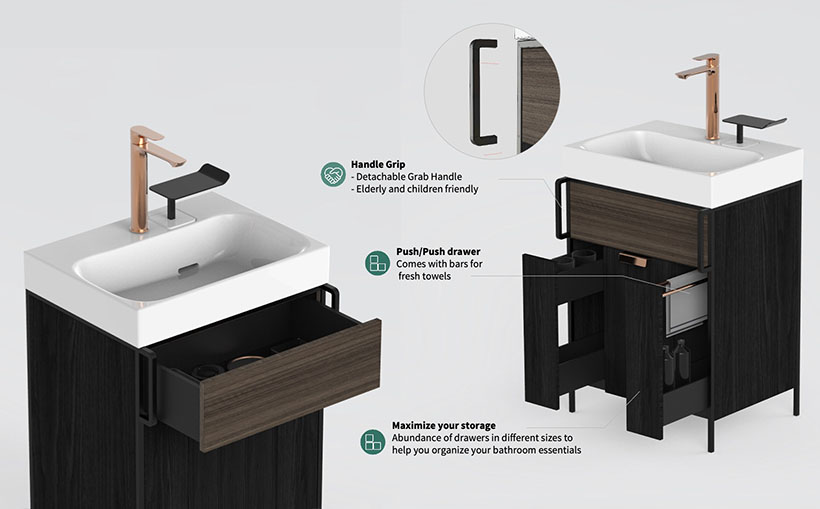
A key aspect of wudu room design is water efficiency. Modern Muslim foot washing sinks are equipped with low-flow faucets or sensor-activated taps that conserve water while ensuring effective cleansing. Proper drainage and sloped basin designs prevent pooling and direct water efficiently into the drain, reducing splashes and the need for repeated rinsing.
Integrating water-saving features not only lowers utility costs but also aligns with sustainable practices, making the wudu room environmentally responsible.
Materials and Durability
Selecting the right materials is important for both hygiene and longevity. Solid surface or composite materials are durable, non-porous, and easy to clean, resisting stains and bacterial growth. Choosing long-lasting materials reduces maintenance needs and ensures the sinks remain functional and sanitary over time.
Durable materials paired with thoughtful layout planning create a wudu room that is both practical and aesthetically pleasing, enhancing the overall experience for users.
Maintenance and Cleaning Considerations
Easy-to-clean surfaces and accessible plumbing are essential for keeping the wudu room sanitary. Smooth basin surfaces, efficient drainage, and open space beneath wall-mounted sinks simplify cleaning routines. Regular maintenance prevents water buildup, mold, and unpleasant odors, ensuring the wudu area remains hygienic for all users.
Conclusion
Designing a wudu room with a proper Muslim foot washing sink layout requires careful attention to accessibility, space management, water efficiency, and durability. By selecting well-designed sinks, planning clear traffic flow, and prioritizing inclusive features, the wudu room can provide a safe, comfortable, and hygienic environment. A thoughtfully arranged wudu space enhances the ablution experience, supports sustainability, and accommodates the needs of worshippers of all ages and abilities.